


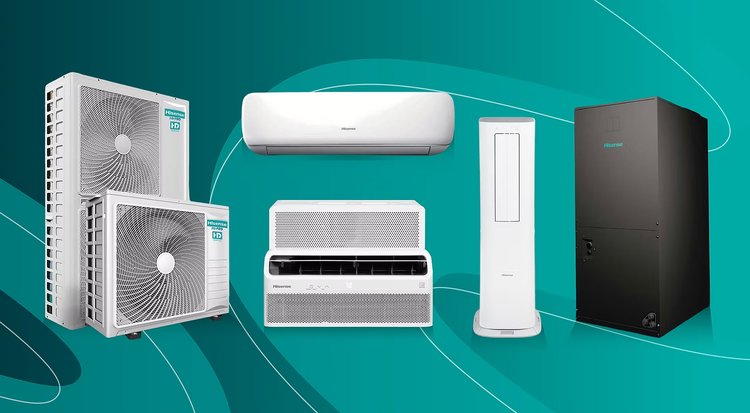
When summer temperatures spike, your comfort depends on having the right home cooling system—but the choices can be overwhelming. From central air conditioning units to portable options, each system comes with its own set of pros, cons, and ideal use cases.
Before you invest, it’s crucial to think about square footage, layout, and how you use your space. Here’s a breakdown of the most popular home cooling options, who they’re best for, and what to watch out for.
🌬️ 1. Central Air Conditioning Units
Best for: Whole-house cooling, homes with existing ductwork, larger homes (1,500+ sq ft)
Pros:
- Consistent temperature throughout the home
- Works well with smart thermostats
- Quiet (main unit is outside)
Cons:
- High upfront installation cost
- Requires ductwork (expensive to add if not already present)
- May cool unused rooms unnecessarily
Pain Points: If your home has poor ductwork or insulation, efficiency suffers. Repairs can also be costly.
Lifestyle Fit: Ideal for families or homeowners who want a “set-it-and-forget-it” system and consistent comfort across all rooms.
🪟 2. Window Air Conditioning Units
Best for: Apartments, small homes, individual rooms (150–550 sq ft)[1]
Pros:
- Low upfront cost
- Easy to install
- Good for targeted cooling
Cons:
- Noisy
- Blocks window use
- Less energy-efficient over time
Hisense has worked to reduce the most common window AC concerns by reducing noise levels to as low as 35 dB(A), designing window kits that allow you to reopen windows after installation, and improving energy efficiency — earning ENERGY STAR® certification. View all Hisense Window Air Conditioners here.
Pain Points: May not cool larger rooms effectively. Multiple units are needed for larger spaces, increasing energy usage.
Lifestyle Fit: Great for renters or homeowners needing a quick, inexpensive cooling solution for one or two rooms.
🧳 3. Portable Air Conditioners (e.g., Hisense Air)
Best for: Renters, small rooms, spaces where window units aren't an option
Pros:
- Easy to move between rooms
- No permanent installation required
- Plug-and-play convenience
Cons:
- Noisy operation
- Less efficient than window or central systems
- Needs a venting kit through a window or wall
Pain Points: Often struggles to cool larger areas, and many models require frequent draining of condensation water.
Lifestyle Fit: Perfect for renters, small-space dwellers, or those who want flexibility without permanent changes.
❄️ 4. Ductless Mini-Split Systems
Best for: Homes without ductwork, renovations, additions, or zoned cooling (150–1,000+ sq ft per unit)
Pros:
- Highly efficient
- Quiet operation
- Zoned control (custom temps in different areas)
Cons:
- Higher initial cost than window units
- Requires professional installation
- Indoor units visible on walls
Pain Points: May require multiple units for whole-home coverage. Style-conscious homeowners might dislike the look of wall-mounted units.
Lifestyle Fit: Great for homeowners wanting room-by-room control and high efficiency, especially in older homes without ducts.
📐 Why Square Footage and Lifestyle Matter
Your perfect home cooling system isn't just about cost—it's about how you live and where you live. A 500 sq ft studio and a 2,500 sq ft family home have very different cooling needs. Before choosing a system, consider:
- How many rooms need cooling?
- Are you home all day, or mostly in the evenings?
- Do you need temporary or permanent installation?
- What’s your budget for energy bills and maintenance?
Choosing the wrong system can leave you uncomfortable and overpaying. Whether you go with central air conditioning units, a window AC, aportable model, or another solution, match your choice to your space and lifestyle for the best results.
🧊 Home Cooling Systems Comparison Chart
| Cooling System | Best For | Pros | Cons | Sq Ft | Noise Level | Energy Efficiency |
| Central Air | Whole-home cooling, homes with ductwork | Consistent comfort, quiet (indoor), works with smart thermostats | High upfront cost, ductwork required | 1,500+ | Very Low (indoors) | High (SEER-rated systems) |
| Window Units | Apartments, single rooms | Affordable, easy to install | Noisy, blocks window, inefficient for large spaces | 150–550 | High | Moderate to Low |
| Portable A/C (e.g., Hisense Air) | Renters, small rooms, temporary setups | Mobile, no permanent installation, plug-and-play | Noisy, less efficient, must vent through window | 150–550 | High | Moderate |
| Ductless Mini-Split | Homes without ducts, zoned cooling | Highly efficient, quiet, room-by-room control | Costly upfront, indoor unit visible | 150–1,000 | Very Low | Very High |
| Heat Pumps | Year-round heating and cooling in moderate climates | Energy-efficient, dual-purpose, modern features | Expensive to install, less effective in extreme cold | 1,000–2,500+ | Low | High (especially inverter models) |
✅ Final Thoughts
With so many types of home cooling systems available, understanding their strengths—and limitations—can help you stay cool without stress. Think beyond the sticker price. Consider long-term efficiency, installation logistics, and how well the system fits into your daily life.